

Mello-Roos and Special Assessments: How to Spot Them Before You Buy in Kern or San Bernardino County
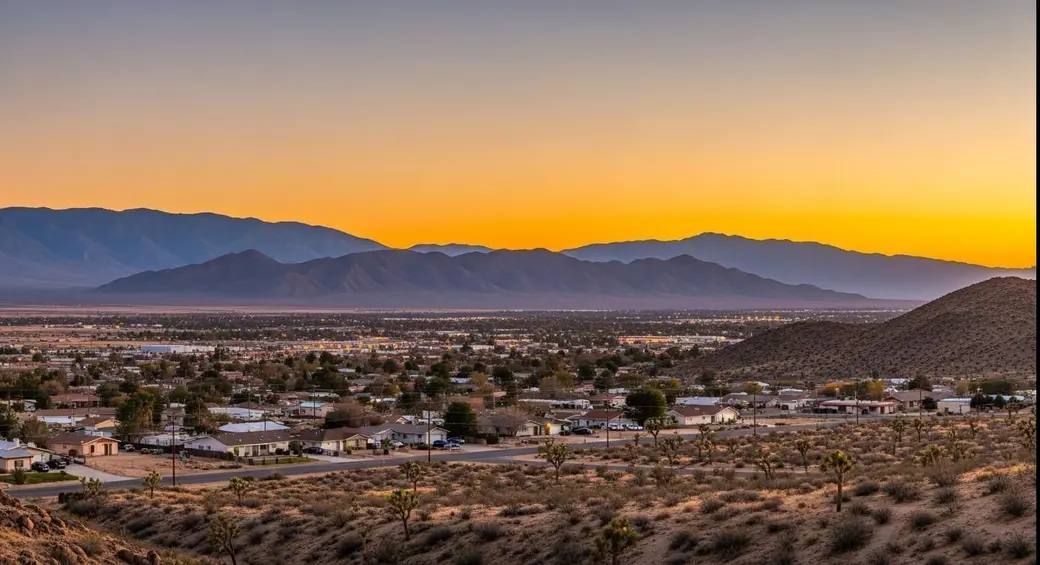
Quick answer: Mello-Roos taxes and special assessments are extra charges on top of California's base 1% property tax. They show up most in newer subdivisions, and in Kern and San Bernardino County they can add a few hundred to a few thousand dollars a year. Check the seller's tax bill and the disclosure tax report before you write an offer.
By Scott K. Miller, REALTOR®, Epique Realty | CA DRE #02152150 | Updated November 2026
Same price. Very different tax bill.
Two houses, both listed at $400,000. One in an older neighborhood, one in a tract built a few years ago on the edge of town. Same bedrooms, same square feet. The newer one costs you $180 more every month. Why? The newer tract sits inside a Community Facilities District, and the buyers in that neighborhood are paying back the bonds that built the streets, the sewer lines and maybe the school down the road.
That's Mello-Roos. It's legal, it's common in growing parts of California, and it's easy to miss when all you look at is list price.
Mello-Roos vs. special assessments
- Mello-Roos (CFD) special tax: created under the Mello-Roos Community Facilities Act of 1982. Voted in when a new area is built, often when the only "voter" is the developer. Pays for infrastructure or ongoing services. Not based on your home's value.
- Special assessments: charges like lighting and landscaping districts, sewer or street improvement districts, and fire or vector control fees. Tied to a specific benefit to your parcel.
- Voter-approved bonds: school and local bonds that add a small percentage to the base rate. Every home in that area pays these.
Where you're likely to see them
As a rule of thumb, the newer the subdivision, the more likely it carries a CFD. That covers parts of Bakersfield and the Victor Valley (Victorville, Hesperia, Apple Valley), newer tracts in Tehachapi, and other places where land was developed after the 1980s. Older neighborhoods in towns like Ridgecrest, Trona and Barstow are less likely to carry a CFD, but "less likely" isn't "never." Lighting, landscaping and sewer assessments can turn up anywhere.
How to check a specific home (step by step)
- Get the APN (Assessor's Parcel Number) from the listing or from me.
- Look up the current tax bill on the county Treasurer-Tax Collector site for Kern or San Bernardino County. Find the section for direct charges, fixed charges or special assessments. Anything with "CFD" in the name is Mello-Roos.
- Read the Natural Hazard Disclosure report. Most NHD companies include a tax report listing every special tax and assessment on the parcel.
- Ask for the Mello-Roos notice. California requires sellers to give buyers a notice of special tax when the home sits in a CFD.
- Ask how long it lasts and whether it goes up. Many CFD taxes rise by a set percentage each year, and service taxes may never end.
What sellers should do
Sellers, don't hide from it. Pull your own tax bill when we list, and know your CFD number, the annual amount and the payoff year. Buyers trust a seller who puts it on the table first. A home in a CFD with nice streets, parks and newer schools can still be a better buy than an older home without one. Price it with the full monthly cost in mind and you'll get fewer surprises in escrow.
Scott's take
I compare homes by monthly cost, not list price. Taxes, insurance, HOA and special taxes all go into the number. That's how you avoid falling for a house that looks cheaper than it is. When you want to compare actual sold prices street by street, start on my Ridgecrest home sales history page.
Frequently asked questions
What is Mello-Roos?
Mello-Roos is a special tax charged by a Community Facilities District (CFD), created under California's Mello-Roos Community Facilities Act of 1982, to pay for things like streets, schools, parks, sewers or ongoing services in a specific area.
How do I find out if a home has Mello-Roos?
Look at the current property tax bill for direct charges or lines labeled CFD, read the Natural Hazard Disclosure tax report, and ask for the seller's Mello-Roos notice. The county Treasurer-Tax Collector can also confirm.
Does Mello-Roos ever go away?
Taxes that repay construction bonds usually end when the bonds are paid off, often after 20 to 40 years. Taxes that fund ongoing services can continue with no end date.
Is Mello-Roos tax deductible?
Some portions may be and some may not, depending on what the tax funds. Ask a CPA about your specific bill.
Want the real monthly number on a home?
Send me the address. I'll pull the tax bill and special charges and give you the true monthly cost. Call or text 760-264-3501 or reach out here.
I'm a REALTOR®, not a tax advisor or attorney. Sources: homeswithscottkmiller.com, California county assessor guide to Mello-Roos.
Categories
Recent Posts


REALTOR® CA DRE# 02152150Epique Realty Broker DRE# 02215280
+1(760) 264-3501 | mrscottkmiller@gmail.com