

Living on Fault Lines: What Ridgecrest, Landers and Hector Mine Teach Kern and San Bernardino County Home Buyers
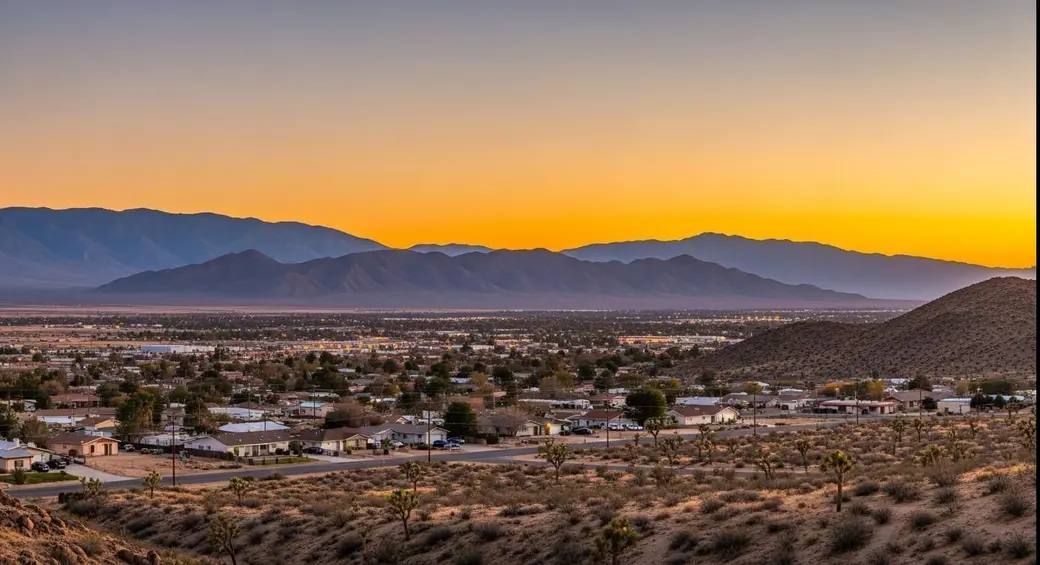
Quick answer: Earthquakes are part of owning a home in Kern and San Bernardino County. The San Andreas and Garlock faults cross both counties, and the region had three magnitude 7 class quakes in 27 years: Landers (1992), Hector Mine (1999) and Ridgecrest (2019). Smart buyers read the hazard disclosure, check how the house is attached to its foundation and price out earthquake insurance before they close.
By Scott K. Miller, REALTOR®, Epique Realty | CA DRE #02152150 | Updated November 2026
July 4th, 2019. Ridgecrest remembers.
A magnitude 6.4 rolled through on the morning of the Fourth of July. About 34 hours later, at 8:20 that Friday night, the magnitude 7.1 hit. The USGS counted more than 8,900 aftershocks in the first week. Ground near the epicenter shifted 6 to 10 feet sideways. State Route 178 was offset and closed for repairs.
And here's the part that surprises people: Ridgecrest came through it. Homes were damaged, some badly. Chimneys fell, water heaters tipped, block walls cracked, and a number of mobile and manufactured homes came off their supports. But the town rebuilt, the market kept moving, and people who prepared fared better than people who didn't.
The faults you share your zip code with
- San Andreas: runs along the south side of the Antelope Valley, through Wrightwood and the Cajon Pass, down past San Bernardino.
- Garlock: runs roughly east-west from the Tehachapi area past the El Paso Mountains and Randsburg toward Death Valley. Scientists watched it closely after 2019 because the Ridgecrest ruptures ended near it.
- The Eastern California Shear Zone: a web of faults across the Mojave. It produced Landers (M7.3, 1992) and Hector Mine (M7.1, 1999) in San Bernardino County, plus Ridgecrest in 2019.
What sellers must disclose
- Natural Hazard Disclosure (NHD): says whether the property sits in an Alquist-Priolo earthquake fault zone or a seismic hazard zone.
- Homeowner's Guide to Earthquake Safety: given on many older homes, along with any known weaknesses, such as an unbolted foundation or unbraced cripple walls.
- Water heater bracing: California requires water heaters to be strapped. It's a cheap fix and a common inspection item.
- Known damage: any repairs from 2019 or earlier quakes. Disclose them. Repaired and documented is a selling point. Hidden is a lawsuit.
What buyers should check
- Foundation bolting and cripple walls on older raised-floor homes.
- Manufactured homes: is there an engineered earthquake bracing system, or just piers?
- Masonry: chimneys and block walls are the first to crack.
- Gas shutoff: where it is, and whether an automatic seismic valve is installed.
- Repair records from 2019 and any permits pulled.
Earthquake insurance, in plain English
Your homeowners policy does not cover earthquake damage. You buy that separately, most often through the California Earthquake Authority (CEA) via your insurance agent. Deductibles run from 5% to 25% of the dwelling coverage, so on $300,000 of coverage a 15% deductible is $45,000 out of pocket before the policy pays. Get quotes during your inspection period so the cost is in your budget, not a surprise.
Some older homes may qualify for retrofit grants through the Earthquake Brace + Bolt program. Check eligibility for your ZIP code on their site.
Scott's take
I sold homes here before and after 2019. The sold prices tell the story: the market didn't fall apart. You can look for yourself on my Ridgecrest home sales history page. Earthquakes aren't a reason to avoid the high desert. They're a reason to buy the right house and set it up well. Want the story of how these faults built the valley in the first place? Read my blog on how Ridgecrest and the Indian Wells Valley were formed.
Frequently asked questions
How strong were the 2019 Ridgecrest earthquakes?
A magnitude 6.4 foreshock hit on July 4, 2019, followed about 34 hours later by a magnitude 7.1 mainshock on July 5, according to the USGS. The sequence produced thousands of aftershocks.
Does homeowners insurance cover earthquake damage in California?
Standard homeowners policies exclude earthquake damage. Coverage comes from a separate earthquake policy, such as one from the California Earthquake Authority, usually with a deductible of 5% to 25% of the dwelling coverage.
What earthquake disclosures do California sellers give buyers?
Sellers provide a Natural Hazard Disclosure that states whether the home is in an Alquist-Priolo earthquake fault zone or seismic hazard zone. Owners of many older homes also give buyers the Homeowner's Guide to Earthquake Safety, and water heaters must be braced.
Which major faults run through Kern and San Bernardino County?
The San Andreas fault runs along the south edge of the Antelope Valley and through the Cajon Pass, and the Garlock fault runs east from the Tehachapi area past Randsburg. Many smaller faults run through the Mojave, including those that ruptured in 1992, 1999 and 2019.
Buying or selling on the fault lines?
Call or text me at 760-264-3501. I'll walk you through the disclosures and point you to inspectors who know desert construction.
I'm a REALTOR®, not an engineer or insurance agent. Sources: homeswithscottkmiller.com, USGS, M7.1 Ridgecrest earthquake update, NASA JPL and Caltech on the Ridgecrest ruptures.
Categories
Recent Posts


REALTOR® CA DRE# 02152150Epique Realty Broker DRE# 02215280
+1(760) 264-3501 | mrscottkmiller@gmail.com